Three Days in Rotorua
✒️ Written by: Abbie
A jampacked few days of geothermal wonders, real life kiwis, redwood trees, Huka Falls and Eat Streat.
Rotorua
When we arrived in Rotorua, we had a long trek from town centre to our motel (which we vowed never to do again with our suitcases—would be an Uber next time!) Once we settled in, we took an evening stroll back into town via Kuirau park, which our bus driver had repeatedly stressed is FREE and contains natural geothermal lakes and ponds.
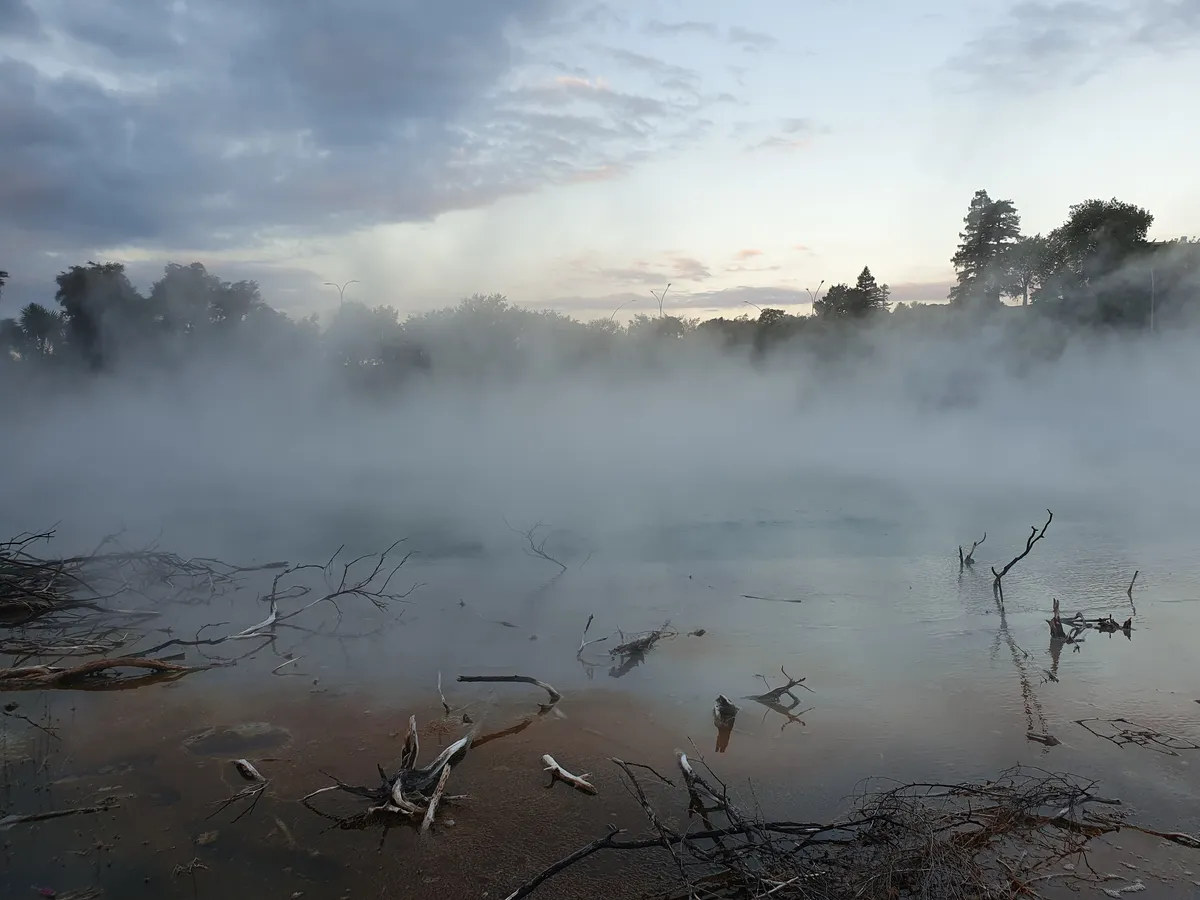
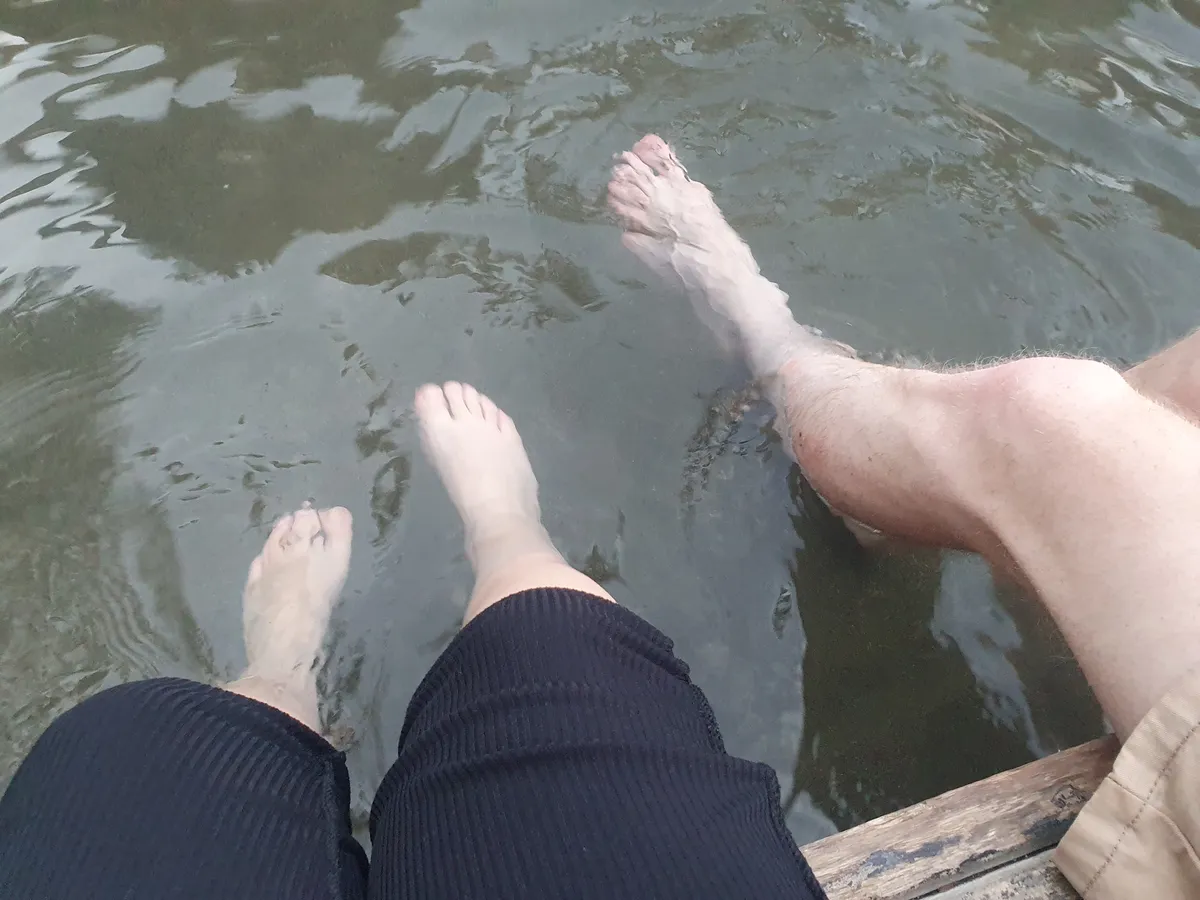
It is definitely one of the coolest parks we've walked through, and we even stopped at the free foot baths which were heated by the geothermal activity in the area.
Our first night in Rotorua introduced us to Eat Streat, a row of restaurants in town centre which we ended up frequenting. The Italian restaurant Urban Gusto especially went down a treat.

Hell's Gate
✒️ Section written by: James
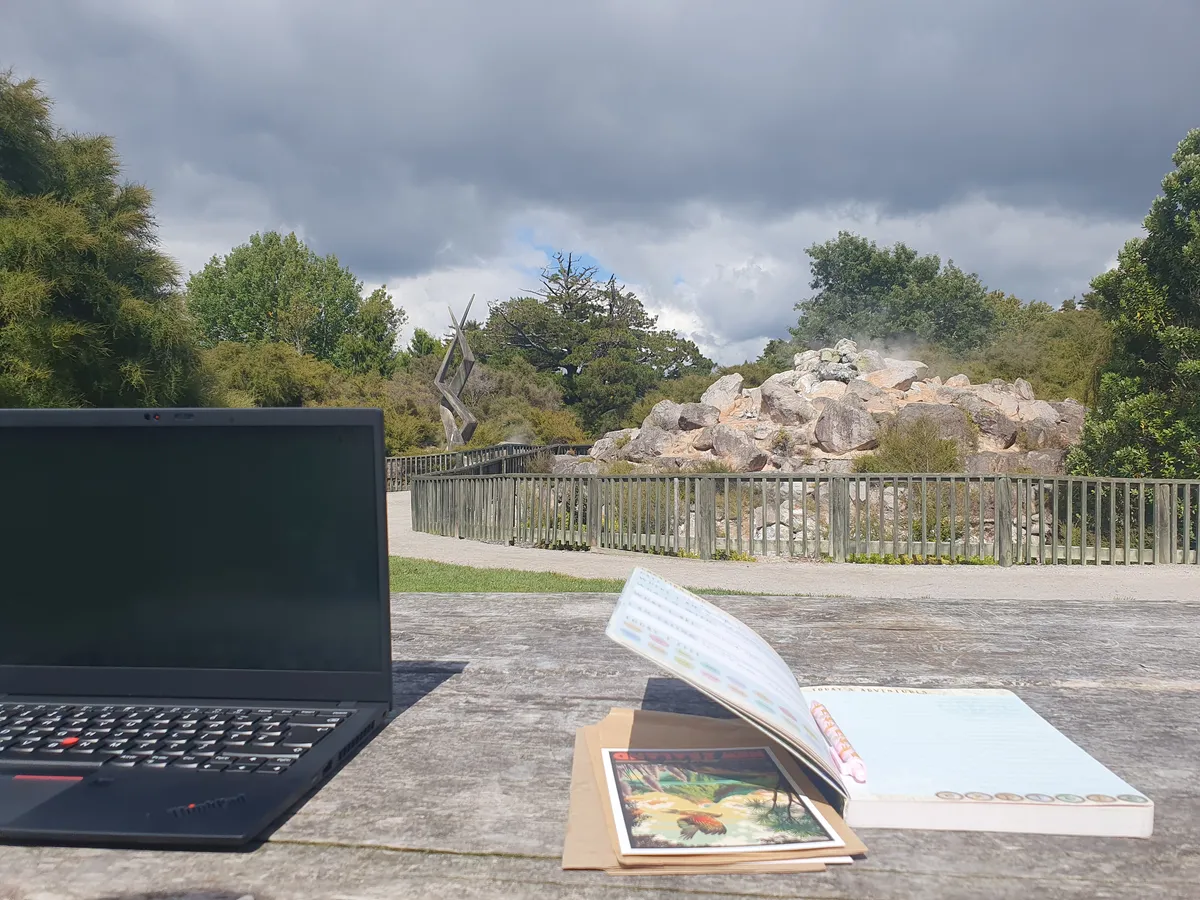
On our first full day in Rotorua, we had tickets booked for Hell's Gate in the afternoon, so in the morning we went back to the free park and had a little picnic. We sat looking at the steam rising from geothermal lakes while we wrote blog posts, postcards, and journal entries.
After that, we waited in town at the iSite (NZ's term for information centres) for our shuttle bus to take us over to Hell's Gate. Apparently it's called "Hell's Gate" because in 1934, George Bernard Shaw - a famous Nobel Prize winning playwright - exclaimed that “this could be the very gates of hell.” I had personally never heard of the guy.
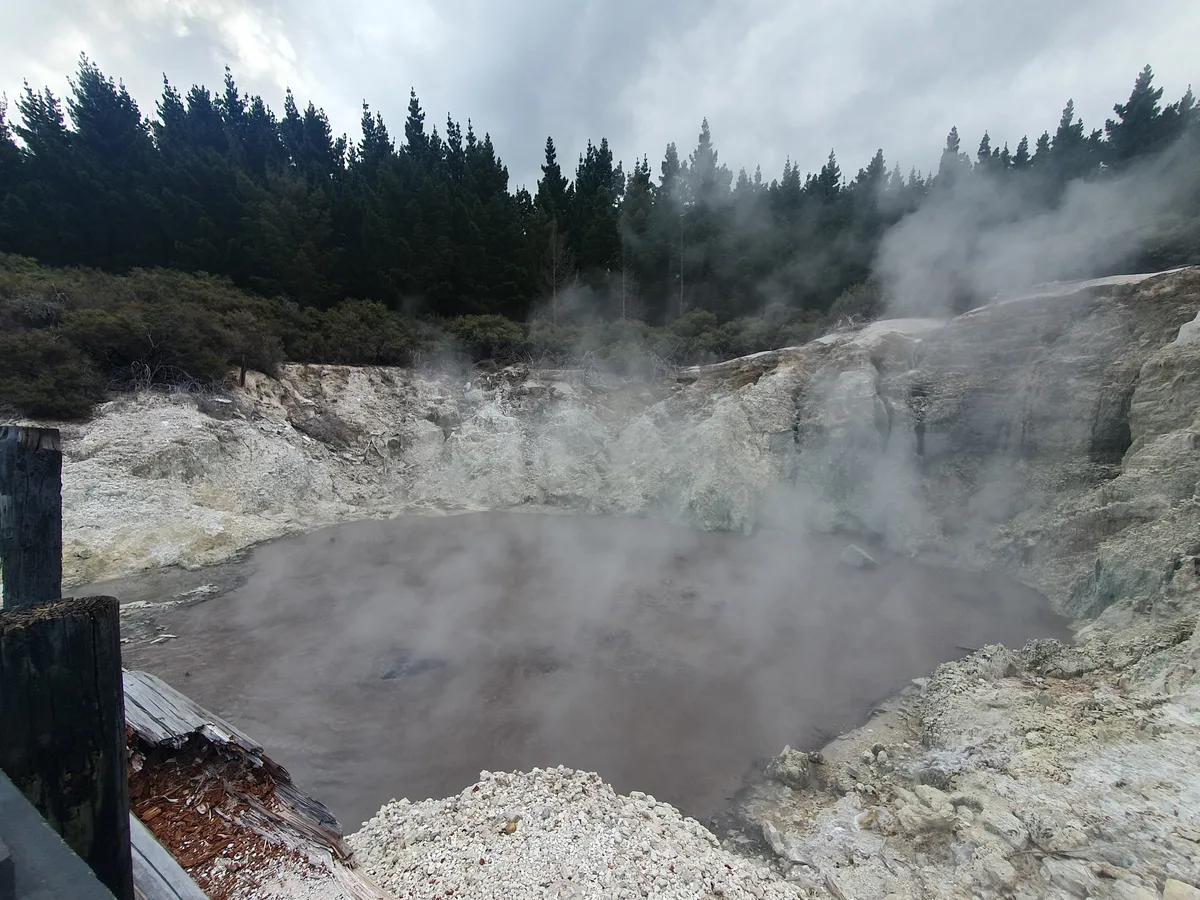
The site is Rotorua's most active thermal area - a humid eggy smelling landscape of sulphur deposits, hot water pools (some acidic, some basic), geysers, and mud pools. It's honestly an alien looking place.
As per this paper:
The Taupō Volcanic Zone (TVZ) stretches from Mount Ruapehu in the south to the Bay of Plenty in the north. Under the TVZ, the oceanic Pacific plate is being subducted below the continental Australian plate, at a rate of up to 15mm per year. This produces a thin continental crust caused by intra-arc rifting. As a result, magma from the mantle is located closer to the crust and creates much volcanic and geothermal activity in the area. Due to the large number of faults and fractures, heat is discharged at the surface in geothermal areas in the form of geysers, hot springs and mud pools.
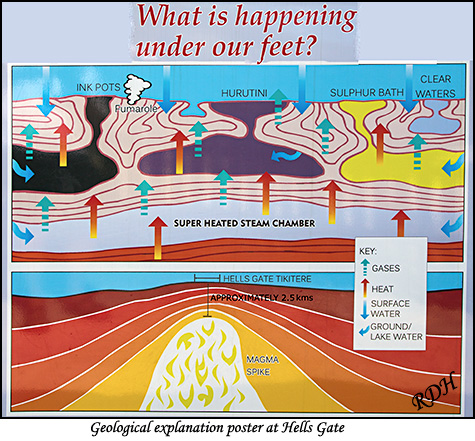
Below is the diagram installed at Hell's Gate which visually describes the geothermal activity in the area. Courtesy of David De La Hyde's fantastic site which contains further information and pictures that we've neglected to include here.
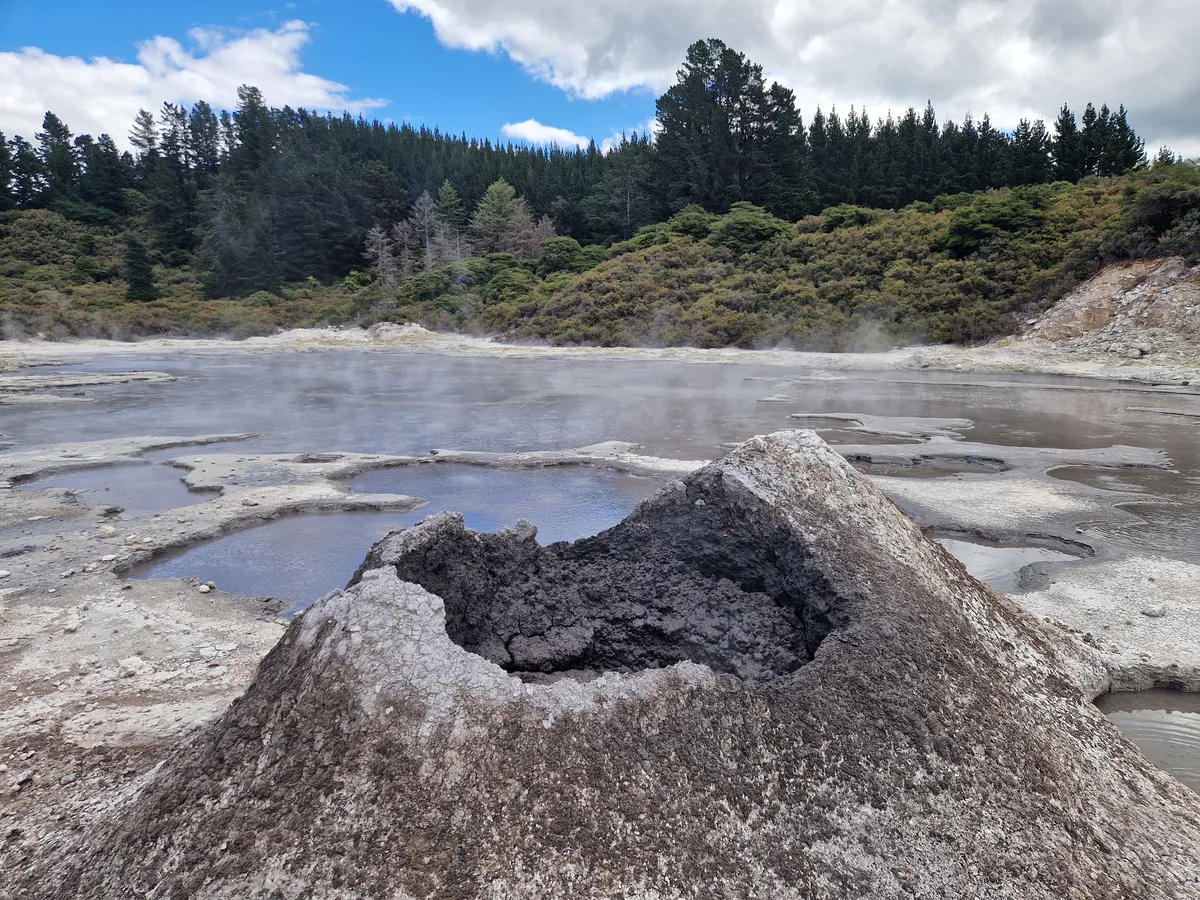
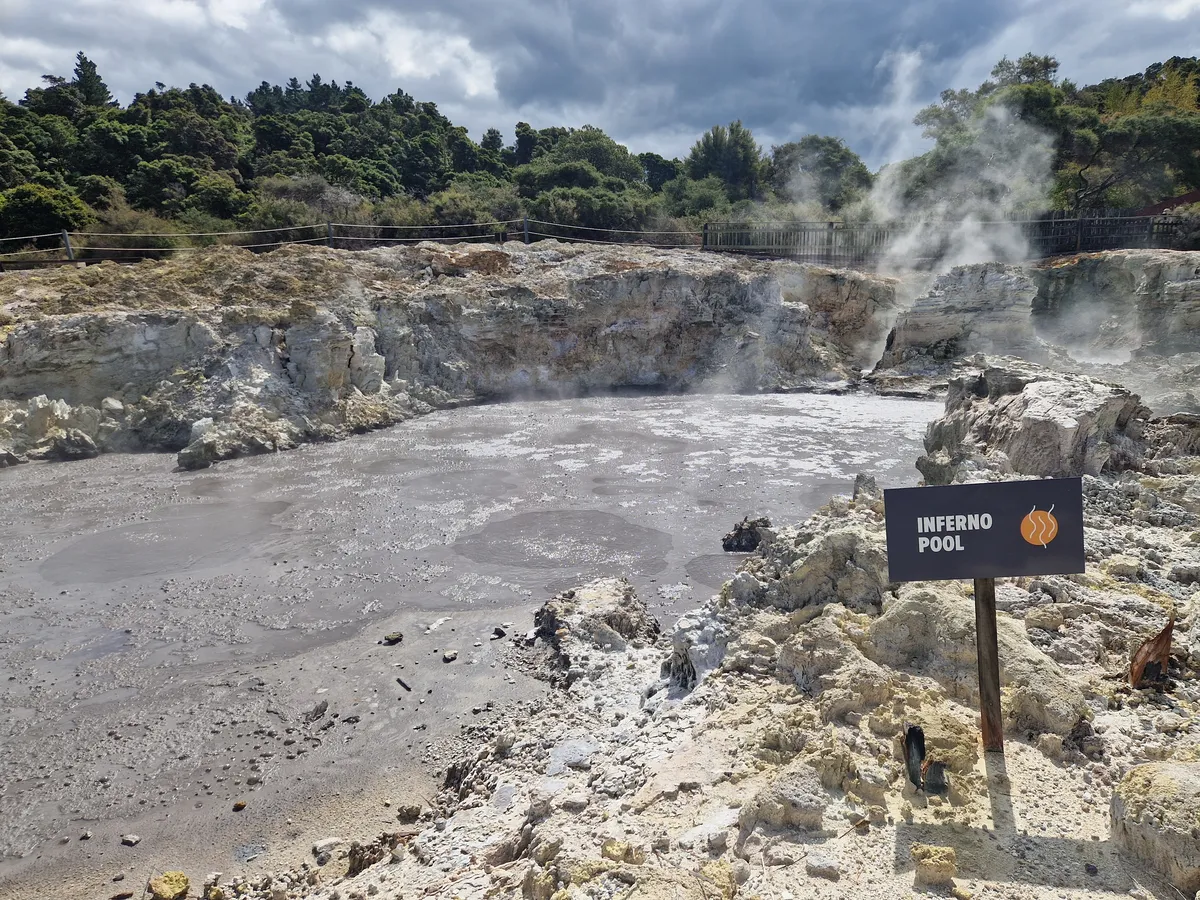
We started with a self-guided tour around the park, which took an hour or so. The mud volcano in particular was a highlight:
After walking around, we stopped off at an open shed where the maintenance guy was showing people how to carve māori symbols in wood (they were running low on staff that day apparently). We were given a coaster-sized block of pine each and, armed with a mallet, a pfiel 1, and a brief health and safety spiel about whacking the tool away from ourselves, we got to work.
My coaster was supposedly a representation of a stingray, and symbolises "strength & tenacity". I've seen it around as a visual motif in a few places, most notably in the logo of NZ's Met Service. Abbie's was a kiwi bird. It symbolises a kiwi bird.
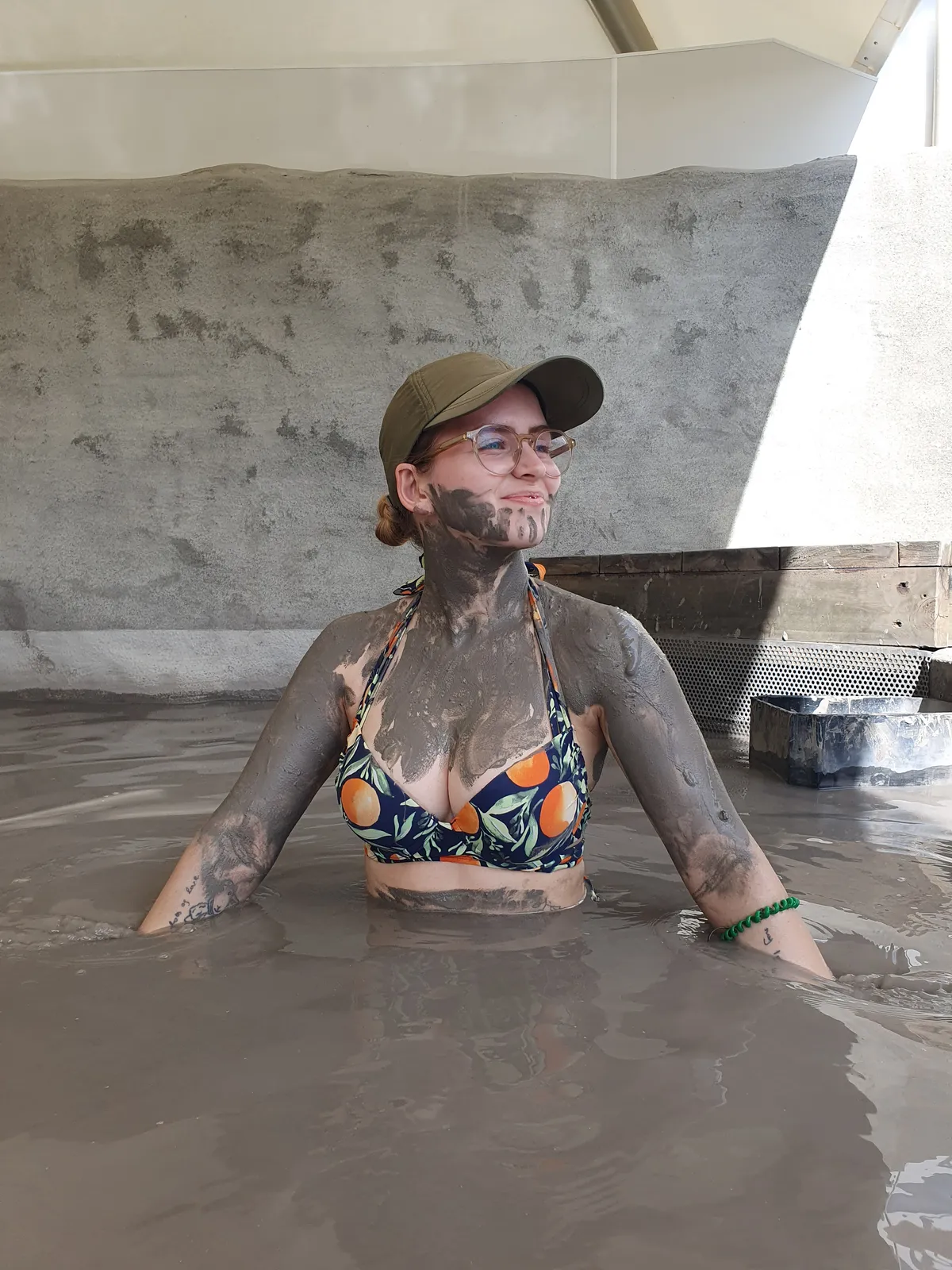
After carving our keepsakes, we ambled on over to the mud pools that we were actually allowed to get in. These were nice man-made pools that had water and mud piped over from a nearby thermal pool. Otherwise tourists would be torn to shreds on the sharp rocks or burnt to a crisp trying to free dive down to the magma spike. We started with some mud smearing madness:

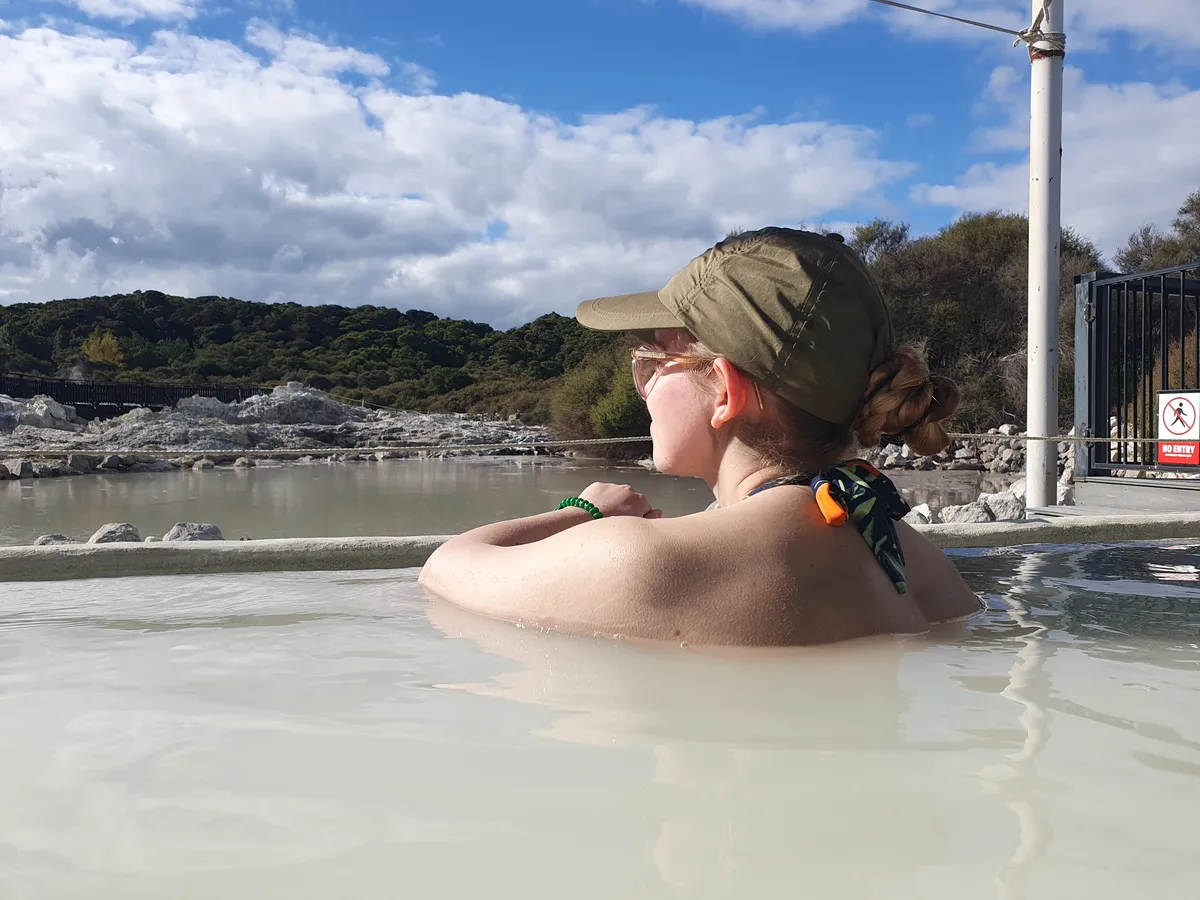
Followed by a lukewarm shower, an ice-cold plunge into a small water feature, and then a dip into the non-muddy (less muddy) sulphur-rich pool which overlooked the rest of the site.
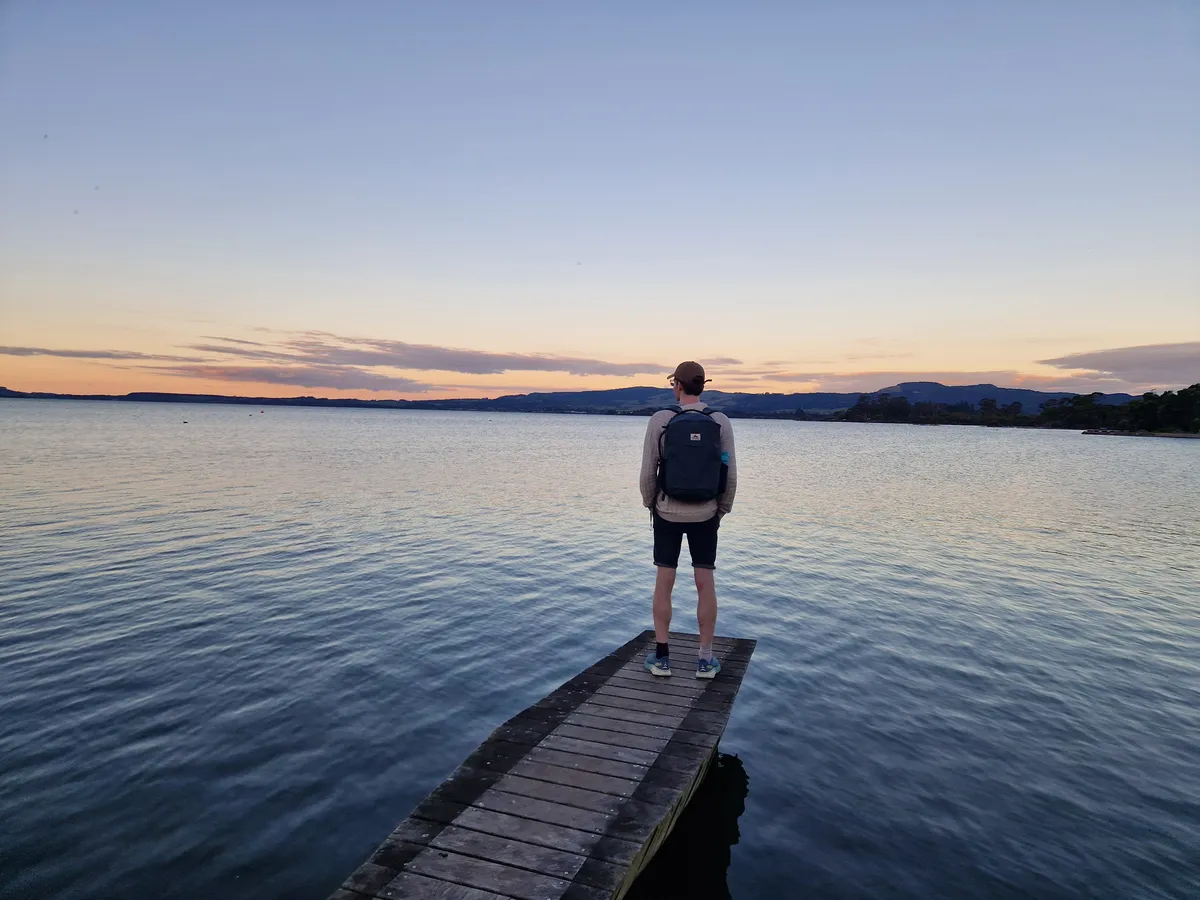
When the shuttle dropped us back off in central Rotorua, we found ourselves back at Eat Streat for a cheeky Indian, despite the fact we still smelled of sulphur and probably had visible traces of mud on us. On our walk back to the motel, we took a detour to Lake Rotorua and walked along the waterfront. The sunset was stunning, and the entire place was so peaceful and serene.
National Kiwi Hatchery
The next morning, we got a public bus right outside our motel and it took us to the National Kiwi Hatchery, nestled inside a farm park called the Agrodome. We had pre-booked tickets, and once our time slot arrived we were ushered onto a minibus and taken over to the hatchery. Our guide told us all about kiwis, the five different species, the predators us humans have introduced (stoats, possums, rats and—sadly—hedgehogs) and the work they do at the hatchery. We got up close to some taxidermy specimens before making our way into the darkened room to see the real things, alive and scurrying.
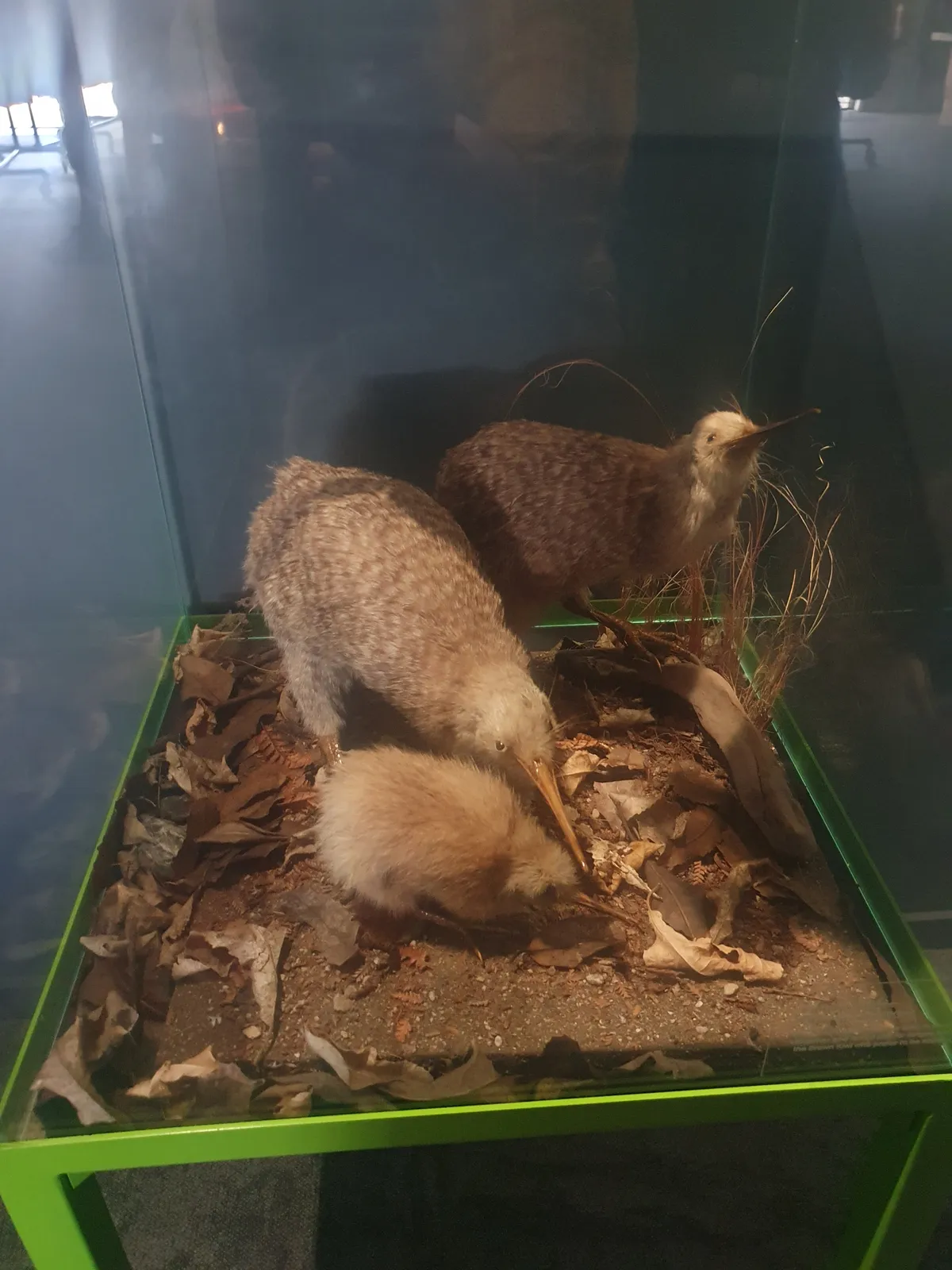
We saw two adult kiwis, one was a 19 year old male and the other was a 22 year old female. Their room was pitch black for us, because kiwis are nocturnal, so they've been led to believe it’s nighttime when really it's day. We let our eyes adjust, and the guide sought out the kiwis amongst their enclosures. The two kiwis were in different enclosures but side by side, and they've had a few meetings together as the hatchery are trying to bond them. Kiwis mate for life, so it's a challenge getting them to find new partners, but the two are certainly showing signs of growing to love (or maybe just tolerate) each other.
Their enclosures were quite big, and filled with shrubs, bush and suitable habitat spaces. The hatchery staff hide food around the enclosures every day, so the kiwis still have to hunt and forage for grub. We saw the male first—he was partaking in his morning zoomies, running from one wall of his enclosure to the next. We could see him behind the glass screen, darting to and fro along the back wall. We were amazed upon setting eyes on him, and it's surprising how big kiwis are (and cute!) We found his soon-to-be-partner next, and she was hopping and skipping around the front of her enclosure right on the other side of the glass to us. She was digging for food and having a good sniff around her.
These two kiwis were once wild, but for health reasons have been deemed unsafe to go back into the wild—they simply wouldn't survive. We’re not complaining, it means we can get up close and personal to real life kiwis which is incredibly difficult to do in the wild. Kiwis are, of course, only found in New Zealand so even seeing a real kiwi in a sanctuary is such a privilege.
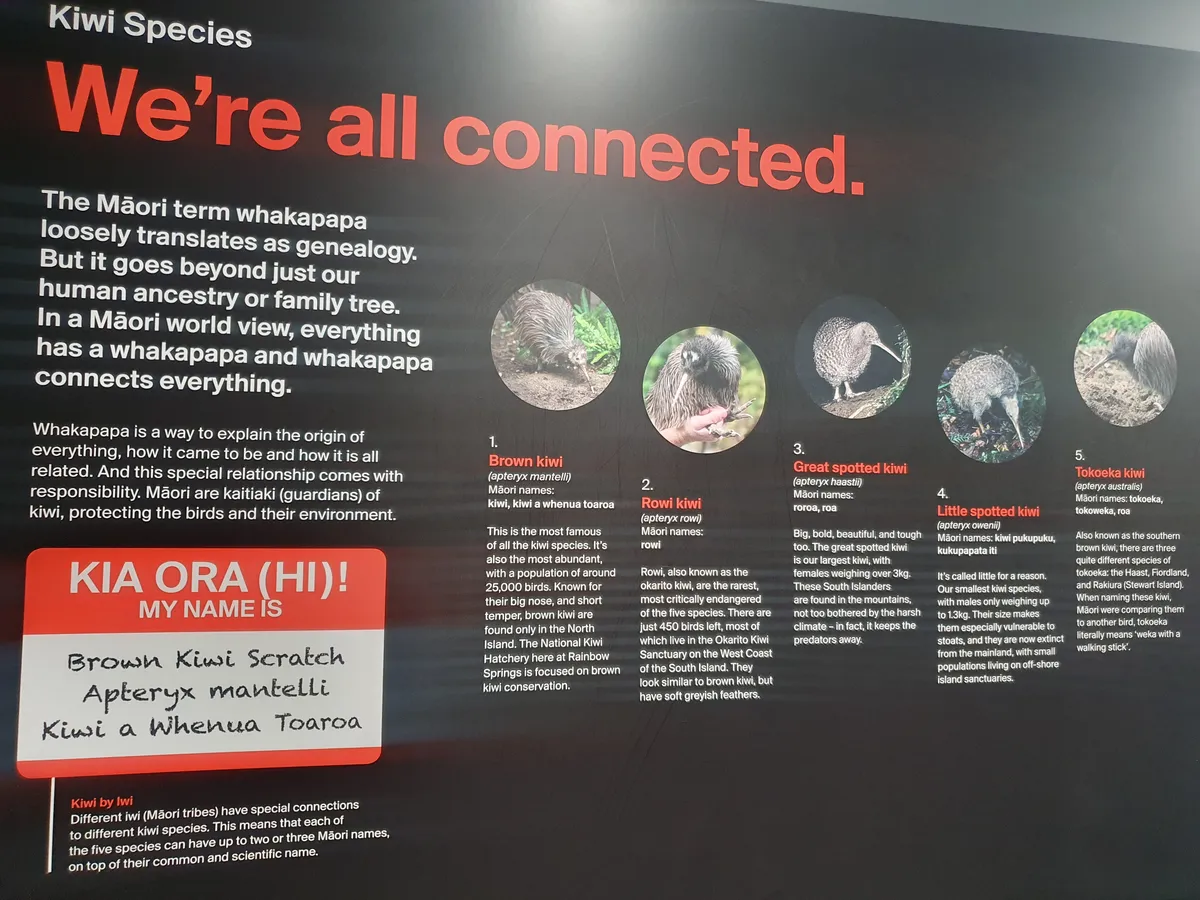
After we saw the two adults, we were taken through to the hatchery itself and saw the care units through a glass wall: little hutches for recently hatched kiwis to settle and thrive inside. The units are kept tightly closed to prevent harsh light disrupting the chicks. We were also lucky enough to see a real life baby kiwi, who was nestled in the corner of his hutch with a window for us to look in. He was only born in February! We could only see his bum, as he was fast asleep curled up in a ball, but he was very cute nonetheless.
When the kiwi hatchery tour sadly came to an end, we perused the gift shop and got the minibus back to the Agrodome. We sat on a picnic bench and ate our lunch while waiting for our bus, only to discover that the specific bus route we needed was cancelled for the rest of the day. Time for an Uber.
Redwoods Tree Walk
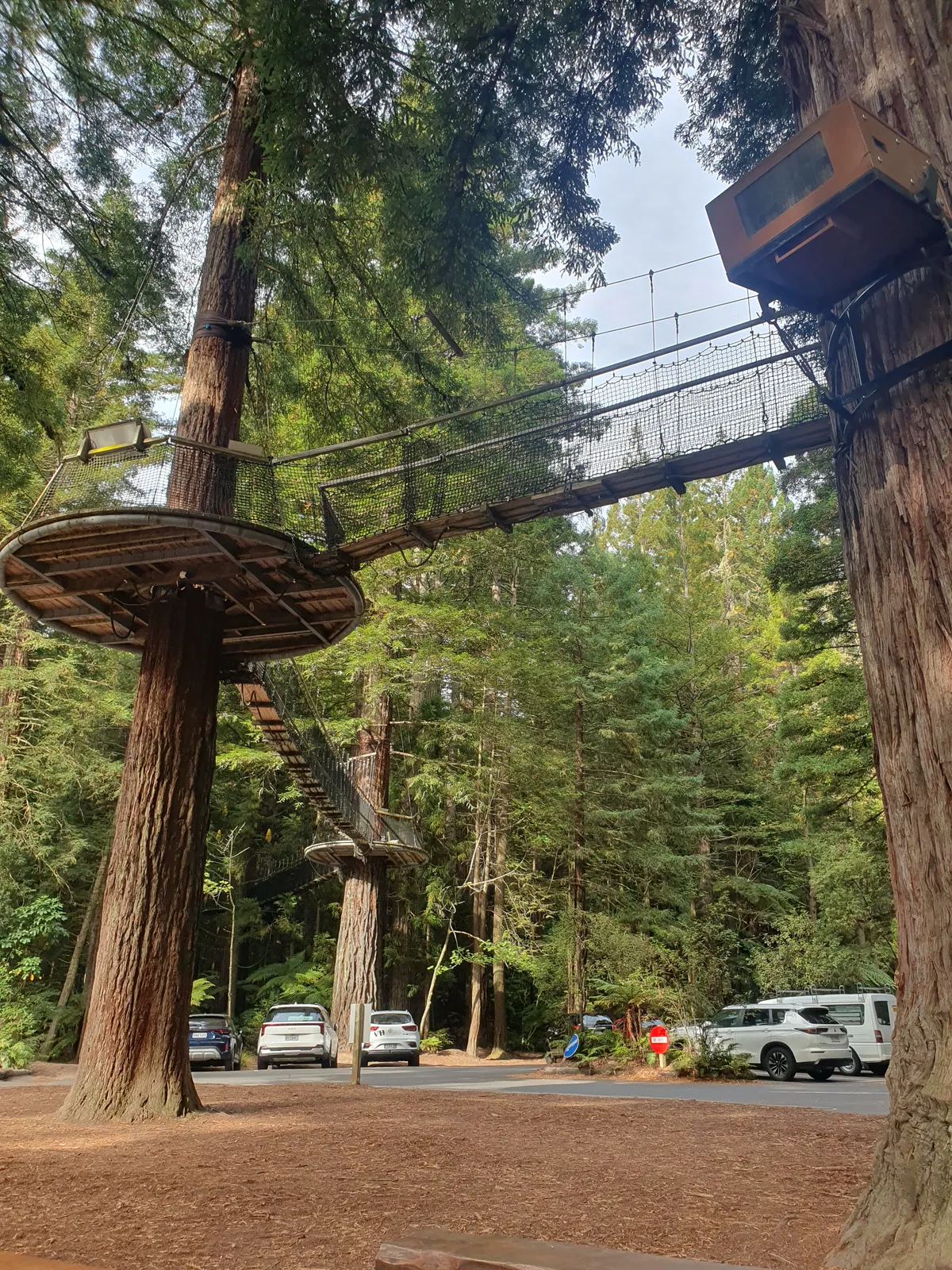
We got the Uber to Whakarewarewa Redwood Forest, home to 15 acres of Californian Redwood trees which were planted in the early 20th century. Redwoods are the tallest trees in the world, with the tallest residing in California at 116 metres tall. Even though those found in California are hundreds of years old, the ones here in New Zealand have grown much quicker in only one hundred short years since they were planted. This is because of New Zealand's rainfall. The tallest Redwood in Whakarewarewa Forest is a whopping 75 metres tall, and not only did we walk right around it, but we were actually 20 metres up it!
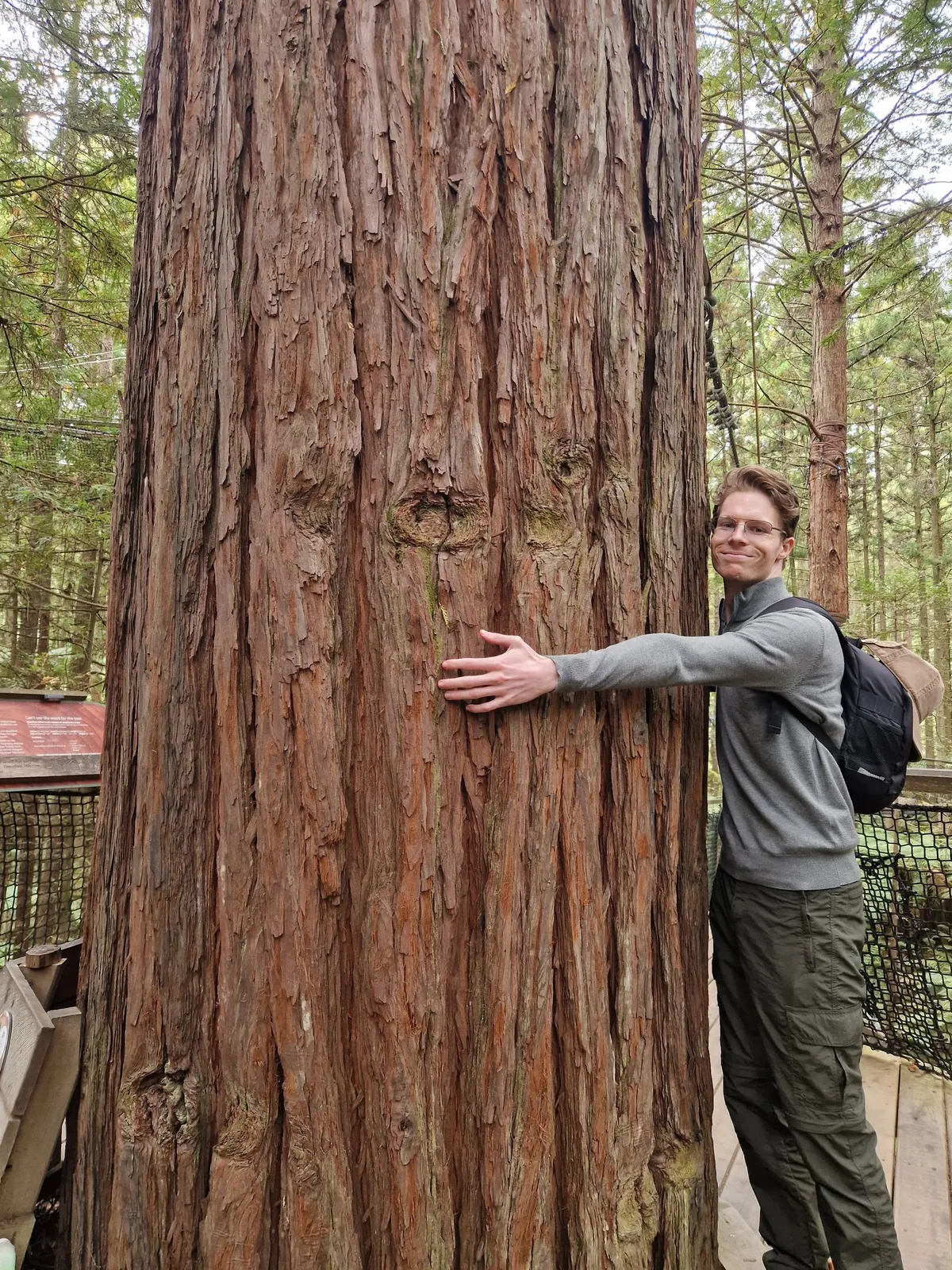
We did the Redwood Tree Walk, which is 700 metres of swing bridges linking tree to tree. This was such an incredible way to see the trees and truly get an understanding of their size. Not to mention, lots of fun.
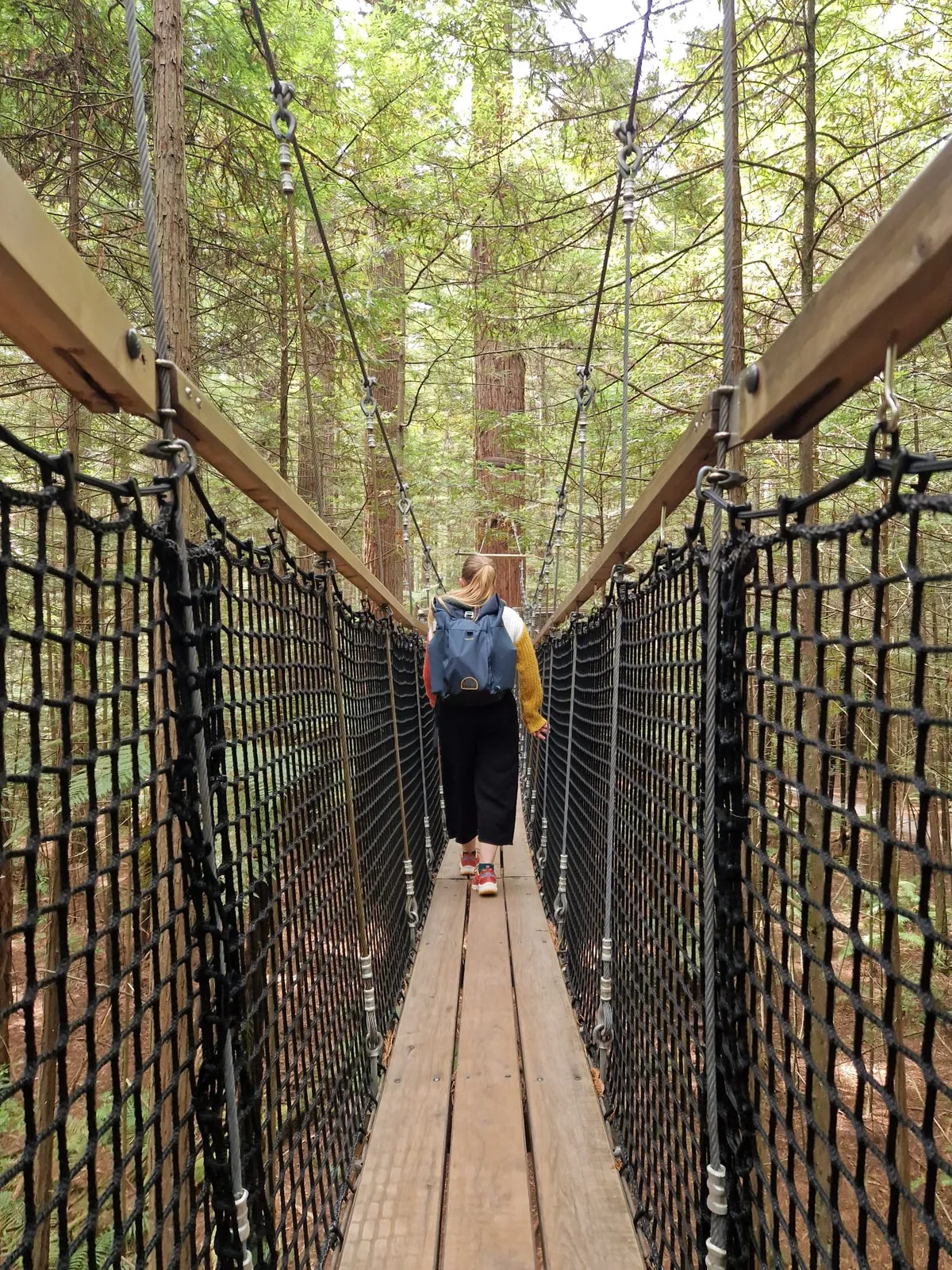
Once we came back down to earth, we found a picnic table beneath the Redwoods and sat writing postcards and journal entries for a while. What a peaceful way to spend the afternoon, writing about our experiences underneath towering trees on a warm day. We perused yet another gift shop, then took a stroll around the forest, noticing all the other kinds of trees and plants on offer too.
Our bus back into town was luckily not cancelled, so we hopped on and arrived back in Rotorua for our final night. Where did we go? Eat Streat of course. We couldn't resist going back to the Italian we went to on night one, it was so good. Once again, we finished off the evening with a sunset stroll along Lake Rotorua, before the chaos of repacking our suitcases (again!)
As planned, we resorted to an Uber to get our two heavy suitcases all the way back to the Rotorua iSite the following morning, and caught our Intercity bus. This was our first journey using our Intercity Flexipasses, where we paid for 60 hours each of bus travel which works out a lot cheaper than paying for all the different bus journeys individually.
Huka Falls
We didn't travel too far that morning though, getting off the bus in Taupo: home to New Zealand's largest freshwater lake and formed many years ago by a volcano. When you look at a map of NZ, this is the huge lake you see in the heart of the North Island. We took our suitcases to a hostel for luggage storage, and got an Uber to the site of Huka Falls.
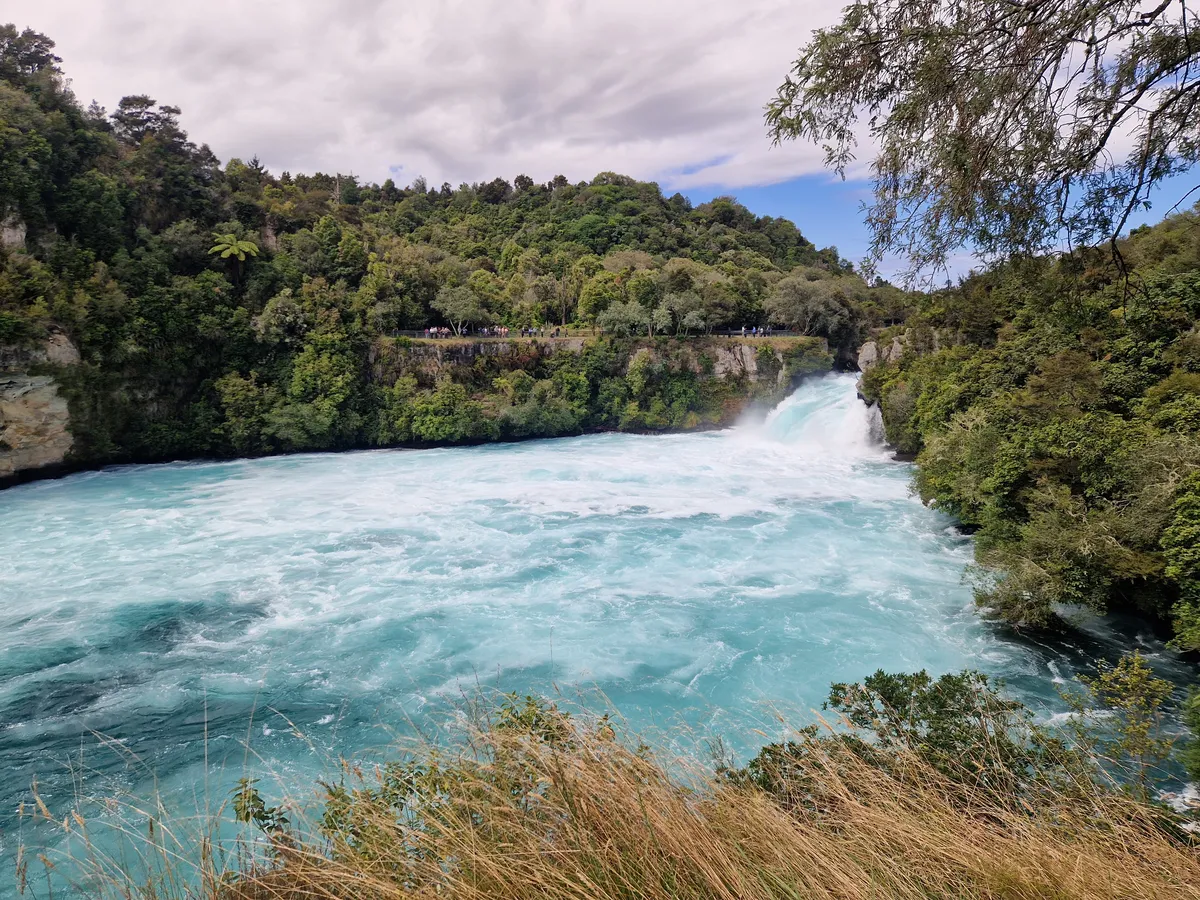
Huka Falls is a waterfall on the Waikato River flowing downstream from Lake Taupo. The river narrows from 100m in width to just 15m due to a volcanic canyon, before dropping down 11m out of the gorge and back into the river as it widens again. The sudden narrowing of the river causes immense flow pressure, and it was certainly the fastest flowing waterfall either of us had ever seen. It is said that the flow rate could fill an Olympic-sized swimming pool in just 11 seconds.
The noise of the waterfall could be heard before we even reached it. A great roaring sound which we followed to the river edge and onto a little bridge above the spectacle. It was swarming with tourists like ourselves, and for good reason. What astonished us even more than the noise, and almost as much as the flow, was the incredible blue colour of the water. The lakes and rivers of New Zealand are exceptionally blue due to reflective particles of 'glacier flour' and brilliantly pure water clarity, and Huka Falls is one of the most impressive examples of this.
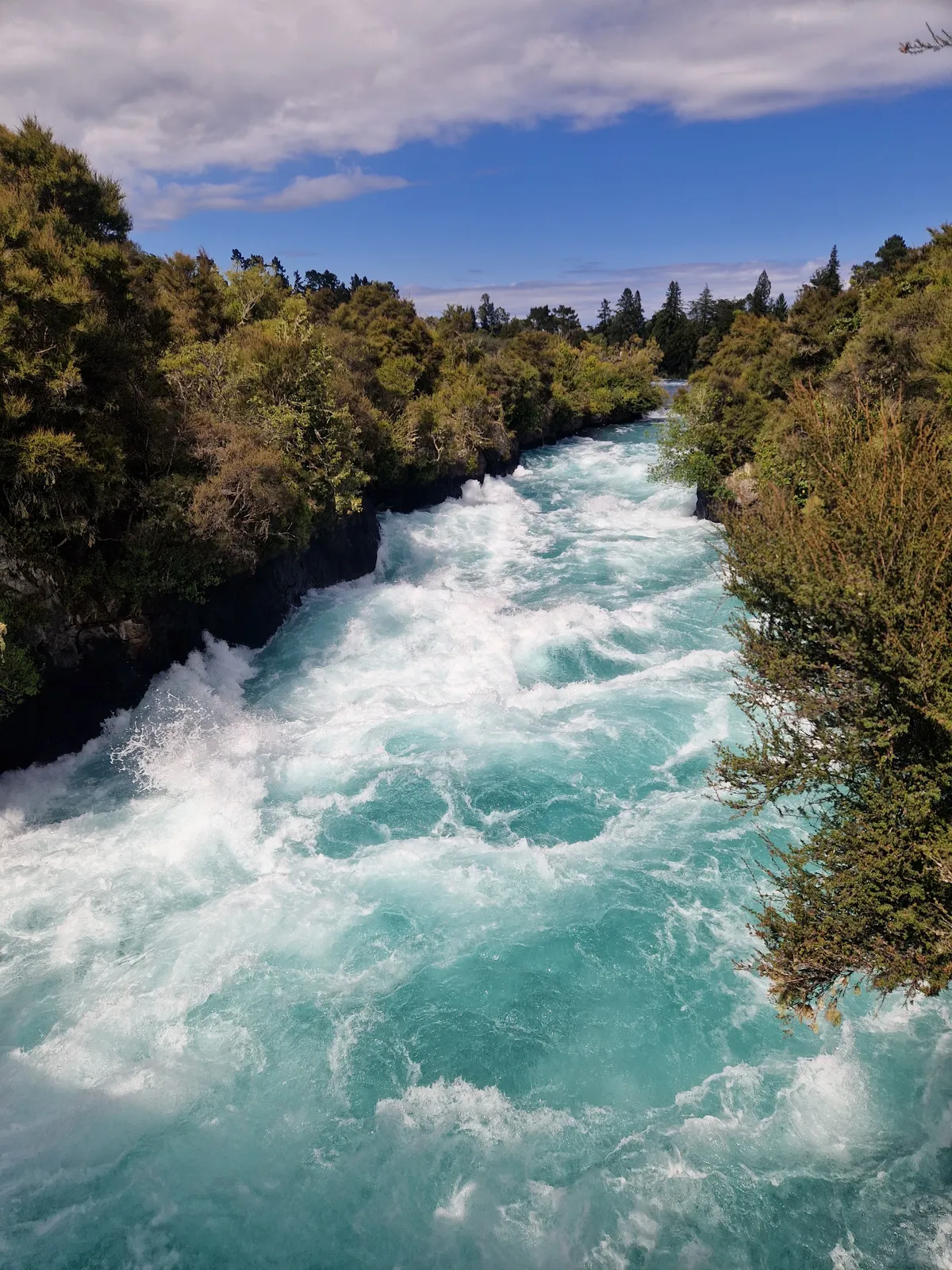
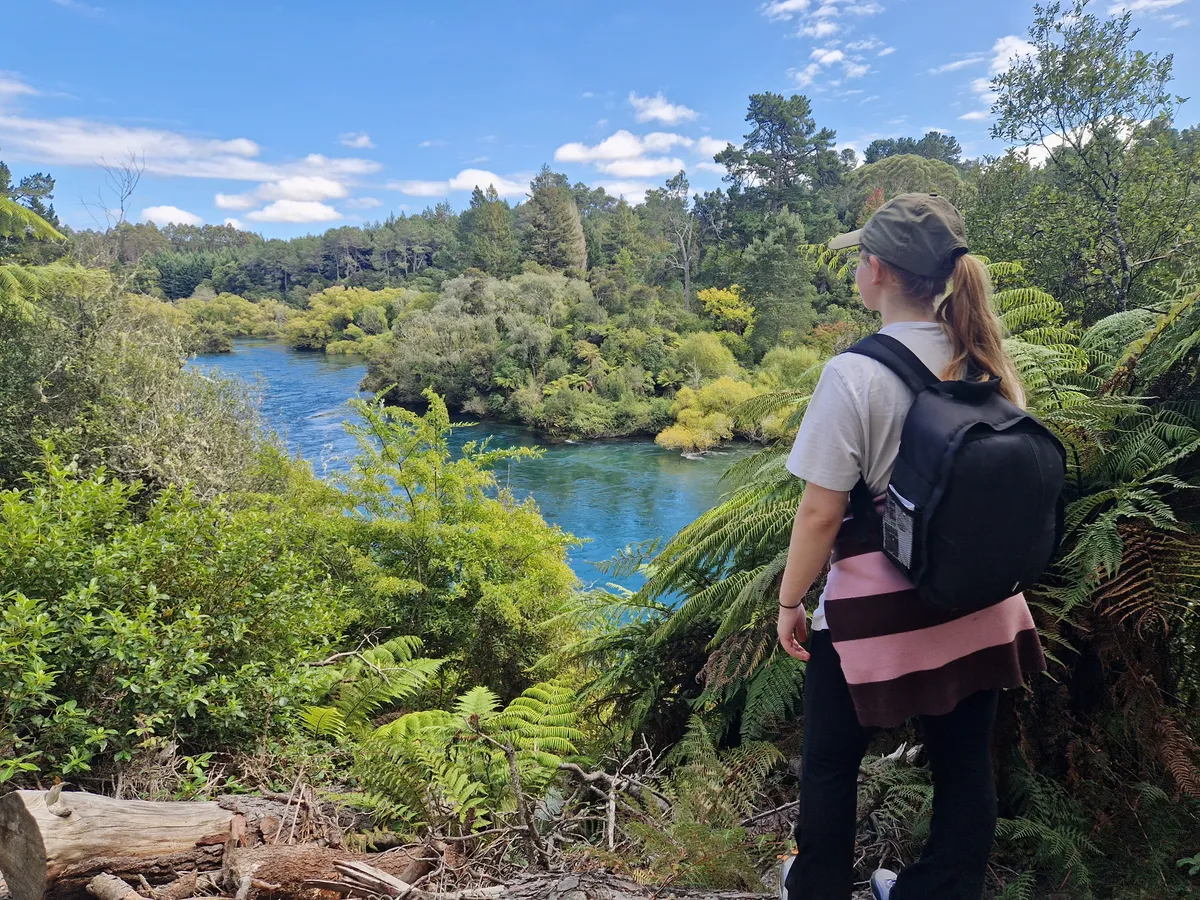
We admired the waterfall for a while and ate our lunch beside it, before heading upstream to walk along the river back towards Taupo. The river remained pure blue the entire time we walked beside it; the scenery was gorgeous with the tropical-looking trees flanking the water. The undulating riverside path took us past nooks of swimming areas, and we wished we'd brought our swimmers. After a long trek we made it back into the town of Taupo, retrieved our suitcases, and got on the next Intercity bus to make our way to Napier for the next couple nights.